a comprehensive clinical assessment by a trained team
Upper Limb Prosthetics
Factors to consider when selecting prosthetic components are amputation level, residual limb geometry, sensation, range of motion, strength, cognition, vocation, hobbies, importance of cosmesis, financial resources available, and environment and weather. Collaboration between the patient and physiatrist-led rehabilitation team should be in place at the time of prescription.
Major components of upper limb prostheses include the terminal device (TD), interposing joints, socket, suspension, and control system.
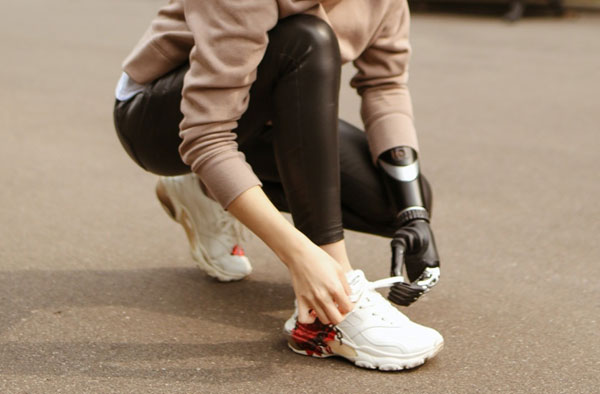
Typically, there are three general classes of upper extremity prostheses: cosmetic, body-powered and myoelectric. There are also hybrid type prostheses available. When considering the type of device prescribed and the type and amount of prosthetic training prescribed, a comprehensive clinical assessment by a trained multidisciplinary team can help in assessing their appropriateness and readiness for use of an upper limb prosthesis. It can guide the prescription of an appropriate device or devices and a training program to meet the individual’s needs.